

The Role of Fire Management in Great BBQ
Everyone talks about the brisket. Nobody talks about the fire that made it. Fire management is the skill that separates good BBQ from great BBQ, and it takes years to learn.
Check Out Our Locations
.svg)

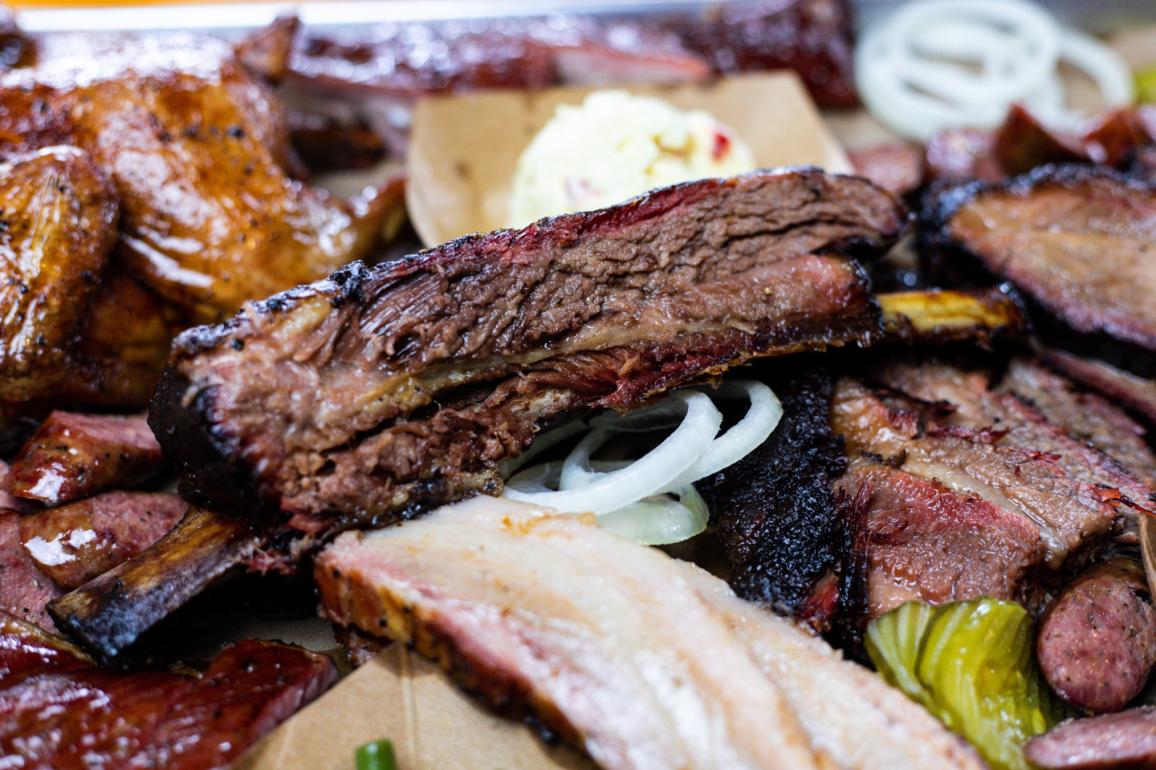
Most people walk into a Texas BBQ joint thinking about the meat. The brisket. The ribs. The sausage. And we get it — that's what ends up on your tray, and that's what you drive across Texas for. But long before any of that hits the pit, someone has to build a fire. And how that fire gets built, managed, and read from start to finish is what makes the difference between a great brisket and a forgettable one.
We have been keeping fires going in Lockhart, Texas, since 1932. Here is a look at what goes into it.
How Black's BBQ in Lockhart Starts Every Cook
At Black's BBQ, the day starts before most people are awake. Fires go in early because brisket needs time — hours and hours — and that’s something that cannot be rushed. By the time the morning crew arrives, the pits are already working.
That early start is not tradition for tradition's sake. A brisket that needs twelve to eighteen hours in the smoker has to go on well before the doors open. The fire sets the schedule, and we work around it — happily.
Building a Fire on an Offset BBQ Smoker
The foundation of a great cook is a strong coal bed. Get that hot base established first, let the firebox come up to temperature, and then start adding wood splits. Once the fire is steady and the cooking chamber settles in where it needs to be, that's when the meat goes on.
It's a simple order of operations, but it makes a real difference. A well-established coal bed means the first logs you add catch clean and fast. Clean-catching wood means the smoke coming off your pit is smooth and balanced right from the start. And that early smoke matters — it's what the meat is sitting in during some of its most important hours on the pit.
Take your time getting the fire right before anything else goes on the grate. The cook will reward you for it.
Reading Smoke on a BBQ Smoker
Stand beside a pit long enough and you stop looking at a thermometer and start looking at the smokestack. The smoke can help tell you what is happening inside.
Thin, almost see-through blue smoke is what you want. It means the wood is burning right and the flavor coming off that fire is clean and balanced. When a cook is going well, you might barely notice the smoke at all. That is a good sign.
Thick white smoke means something needs attention. Maybe a fresh split went on before the last one caught. Maybe the fire is running a little low. Either way, that smoke is heavy and bitter, and if it keeps rolling over the meat, you will taste it. Black smoke is a louder warning — the fire is struggling and it needs to be addressed before the meat suffers for it.
Learning to read smoke takes time and repetition. Many hours beside the pit, across many different cooks and conditions. Once it clicks, though, a single glance at the stack tells you everything you need to know.
Managing the Fire Through a Long Cook
Once the meat is on, the job shifts from building the fire to keeping it steady. That means adding wood at the right intervals.
Add a split too soon and you smother what is already burning. Wait too long and the coal bed starts to fade, the temperature drops, and you spend the next hour chasing it back up. Neither is where you want to be. The goal is a fire that hums along, holding a consistent temperature through the cook.
The right temperature range for low-and-slow work is generally between 225 and 275 degrees, though every pitmaster has their own feel for where they like to run. Brisket rewards the lower end of that range. Chicken and sausage can handle more heat.
Why Every BBQ Smoker Cooks Differently
Every smoker has its own personality, and getting to know yours is one of the most rewarding parts of the being a pitmaster. One offset smoker might run a little hotter near the firebox. Another might have a cool spot near the stack that needs a little extra attention. Those quirks become second nature the more time you spend beside it.
Our pitmasters have that same relationship with our pits. They have cooked on them through August heat and January cold and every kind of Texas weather in between. That familiarity builds over the years. It shows up in every plate we serve. Consistency is something our guests have counted on since 1932, and it starts with knowing our equipment as well as we know our recipes.
Why Fire Is the Foundation of Great Texas BBQ
Great BBQ is built on a lot of love — the right cut, a good rub, patience through a long cook, and care all the way to the plate. The fire is where that love starts. Get it going right and everything that follows has a chance to be something people remember.
At Black's BBQ, we have been building the fire in our pits since 1932. Looking for the best BBQ near me? Come see us in Lockhart, Austin, New Braunfels, or San Marcos. We will have the food ready.