

How BBQ Became a Texas Cultural Staple
Ask someone what Texas BBQ tastes like, and they'll describe one thing: peppery brisket on butcher paper. That's not wrong; it's just incomplete. Here's how cattle, immigration, and four different landscapes built four distinct Texas barbecue traditions, including the one we've been part of since 1932.
Find a Black's BBQ Near You
.svg)

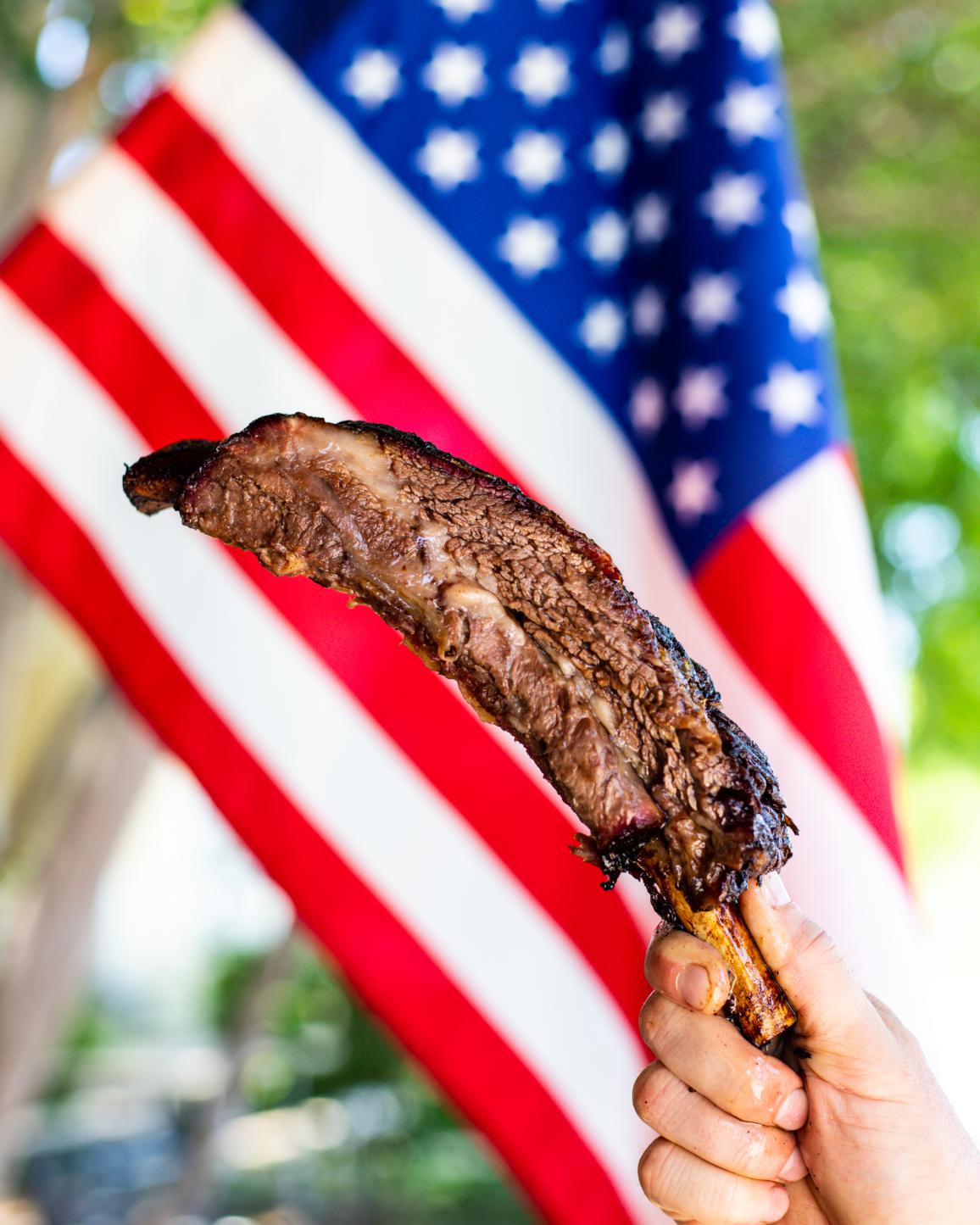
Ask someone what "Texas BBQ" tastes like, and they'll usually describe one thing: a peppery, salt-crusted brisket, sliced thick, served on butcher paper with nothing on it. That's not wrong. It's just incomplete. Texas doesn't have a single barbecue tradition. It has four, and they came from different landscapes, several different immigrant and Indigenous food cultures, and one enormous accident of the cattle economy that made beef the cheapest thing on the plate.
How Texas BBQ Started
Texas became cattle country almost by default. Spanish and Mexican ranching left longhorns roaming the state, and after the Civil War, ranchers found real money in driving them north. In the 1800s, millions of cattle roamed the state of Texas. That kind of volume gave Texas something the rest of the barbecue-loving South didn't have: cheap, abundant beef.
Brisket was the cut that was tough, fatty, and hard to cook well. The German and Czech butchers who had settled towns like Lockhart and Elgin started smoking the unsold cuts low and slow just to move them and avoid spoiled meat. Our own family got started the same way. Edgar Black Sr. opened a meat market in Lockhart in 1932 and smoked whatever didn't sell fast enough.
Central Texas: The Meat Market Minimalists
This is the tradition most people picture when they hear "Texas BBQ": brisket, pork ribs, sausage links, and turkey, seasoned with just salt and pepper, smoked low and slow over post oak, sold by the pound. These were butcher shops first and restaurants second. Sauce is an optional side to the meat. It's the tradition we grew up in, and it's the one we've stuck with at every Black's location since 1932.
East Texas: Barbecue That Leans Southern
Head east towards the Louisiana border, and the cuisine takes on characteristics that more resemble those of the rest of America’s South, namely chopped beef and pork ribs that have been either marinated or glazed with a sweet tomato sauce, slow-cooked over hickory wood until tender enough to fall apart instead of being sliced.
West Texas: Cowboy Style, Direct and Fast
West Texas barbecue reflects its landscape as much as any style does. Mesquite, one of the few trees that actually thrives in the arid West Texas climate, burns hotter and faster than post oak, and the region's "cowboy style" cooking reflects that: meat cooked more directly over open heat, a faster and more rustic method than the patient offset-smoker tradition of Central Texas. It's the style closest to how ranch hands would have actually cooked over an open fire on a cattle drive, which makes it arguably the most literal descendant of the cattle economy that built the whole tradition.
South Texas: Barbacoa, and the Untold BBQ History
This is the region most likely to get skipped in a "Texas style BBQ" rundown, and it's arguably the deepest-rooted of them all. South Texas barbecue means barbacoa: beef head or cheek meat, traditionally cooked in underground pits or wrapped in agave leaves until it's tender enough to fall apart. The meat is served with tortillas, charro beans, and salsa rather than white bread and pickles. Barbacoa's roots run through Mexican and Indigenous cooking traditions that predate the German and Czech meat markets of Central Texas by a long way. Most "Texas BBQ" origin stories, including versions of our own, tend to start with 19th-century immigrant butchers. It's worth remembering that slow, pit-cooked meat was already a Texas tradition long before those meat markets ever opened.
Come Taste Where We Fit In
We can talk about the history all day, but the best way to understand the Central Texas tradition is to taste it. Looking for the best Texas BBQ near me? Come see what nearly a century of salt, pepper, post oak, and patience looks like on a plate. Visit us in Lockhart, where this story started, or at any of our other locations across Central Texas.