

How Weather Impacts BBQ Smokers
Every pitmaster knows the forecast matters as much as the recipe. Wind, humidity, and temperature all affect what happens inside a smoker. Here's how weather shapes the cook and what experienced pitmasters do about it.
Plan Your Visit
.svg)

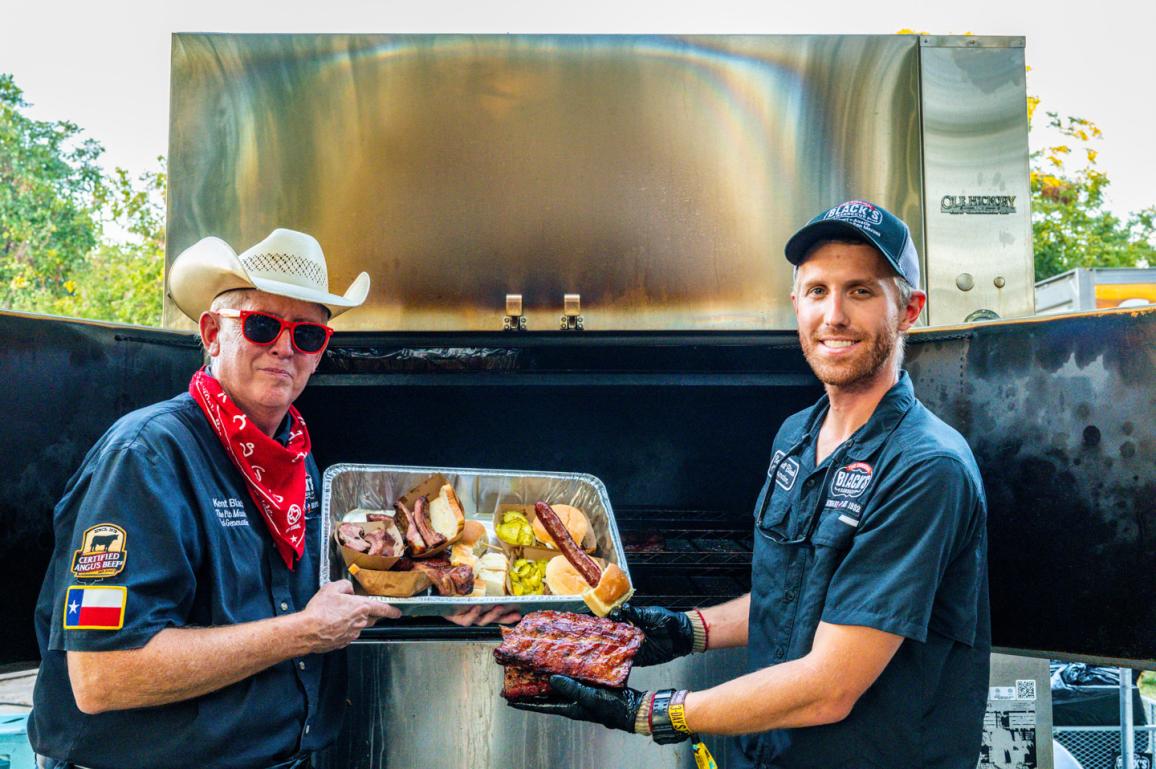
There's a reason experienced pitmasters pay attention to the weather before they start a cook. Not because rain ruins a good brisket or because they're fair-weather cooks. But because every element outside the smoker affects what happens inside it: how the fire burns, how the smoke moves, how the meat develops bark, and how long the whole process takes. Weather isn't an obstacle to great BBQ. It's a variable you learn to manage. Here's how it works.
Wind: The Pitmaster's Most Unpredictable Variable
Wind is the element that demands the most attention on a long cook. Wind relentlessly strips heat from the smoker chamber through forced convection, causing the fire to burn much hotter and faster just to maintain the target temperature. A consistent, strong breeze can easily extend a cook by 20% or more.
On an offset smoker, wind also affects the draw — the way air flows through the firebox, across the cooking chamber, and out through the smoke stack. Higher wind conditions create a faster draw, meaning the faster flow of air causes the fire to burn hotter, raising the temperature inside the smoker and potentially causing the BBQ to overcook. A pitmaster managing a twelve-hour brisket cook on a windy day is constantly making small adjustments to the airflow dampers to keep temperatures steady. It's active work, not set-and-forget cooking.
The fix, as any experienced pitmaster will tell you, is positioning. Put something solid between the wind and the firebox. Adjust your dampers to compensate for the draw. And check your fire more frequently than you would on a calm day.
Humidity: Slower Bark, Longer Stall
Texas summers bring heat and humidity in equal measure, and both have real effects on what happens inside the smoker. In humid conditions, damp air can make it harder to maintain consistent temperatures, especially in offset smokers. Moist air means slower evaporation, which means the stall — that frustrating plateau where the brisket's internal temperature stops rising for hours — lasts longer.
Humidity also slows bark development. The crust that forms on the outside of a properly smoked brisket depends on evaporation at the surface of the meat. When the air around it is already moisture-laden, that evaporation happens more slowly, and the bark takes longer to set. Smoke also lingers longer around the meat in humid conditions, which can intensify flavor — but it also means you've got to be more precise to avoid over-smoking.
On a dry day, the opposite is true. Bark develops faster and fire burns more predictably, but the meat can dry out more quickly on a long cook. Water pans inside the smoker help introduce moisture and protect the meat from drying out during those long hours on the pit.
Cold Weather: More Fuel, More Patience
Cooking in cold weather is a different kind of challenge. Cold air, wind, and rain will cool the exterior of the smoker, which slows down cooking time. Cold air coming in through vents also cools the coals and the temperature inside the cooker. A brisket that takes fourteen hours in mild weather might need sixteen or more when it's cold outside.
The practical response is straightforward: more fuel, more monitoring, and more time built into the schedule. Experienced pitmasters who cook year-round develop an instinct for how their particular pit handles cold weather, knowing how much extra wood to load and how to adjust their dampers to compensate.
Heat: When the Environment Works With You
Hot Texas summers can actually make parts of a long cook easier. Ambient heat means the smoker doesn't have to work as hard to maintain temperature, and fuel burns more efficiently. The challenge shifts from maintaining heat to managing it — making sure the pit doesn't run too hot on a 100-degree day, which can rush a brisket and dry it out before it's had time to properly render and tenderize.
The best pitmasters treat hot-weather cooks with the same attention as cold-weather cooks: check the fire, watch the temperature, and trust the process.
What This Means at Black's BBQ
Our pitmasters in Lockhart cook every single day, regardless of the weather. They've developed a deep familiarity with how our pits respond to wind, humidity, heat, and cold — knowledge that comes from years of cooking on the same equipment in the same environment, through every kind of Texas weather imaginable.
That's part of what makes the brisket consistent. It's not just a recipe. It's the accumulated experience of knowing what to do when the conditions change, and adjusting accordingly every single time.
If you're looking for the best Texas BBQ near me, we'd love to have you at any of our locations in Lockhart, New Braunfels, Austin, or San Marcos. And if you're not close enough to make the drive, our nationwide shipping means the BBQ can come to you. Either way, our pitmasters will have tended the fire through whatever the weather had to say that day.