

The Rise of BBQ Tourism in Central Texas
Central Texas has become a destination for barbecue lovers across the country. Here’s how smoke, tradition, and steady craftsmanship turned a regional staple into a travel-worthy experience.
Check Out Our Locations
.svg)

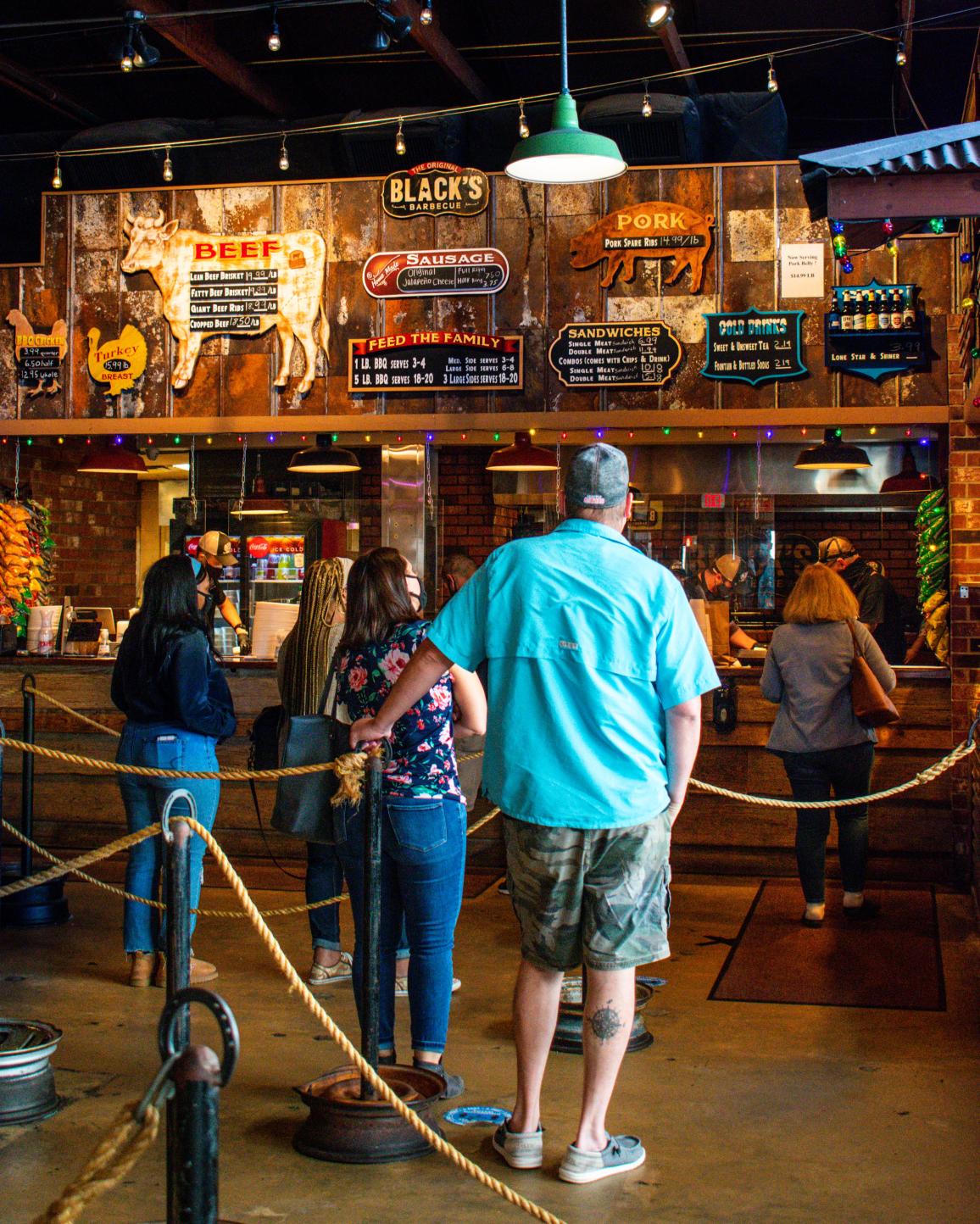
Barbecue used to be something you stumbled into. You were passing through town, smelled the BBQ smoke in the air, and pulled over. Now, people are mapping entire weekends around it.
That’s the rise of barbecue tourism in Central Texas. Folks are flying into Austin, driving to Lockhart, and planning road trips with multiple pit stops “circled on the map”. It’s not just about grabbing lunch anymore. It’s become about the experience: from the smell of post oak before you even open your car door to the fast-moving line that ends with your order cut or sliced right in front of you.
From Small-Town Staple to Weekend Itinerary
For decades, barbecue in Central Texas wasn’t a destination. It was just lunch. It was what you picked up after church. It was where ranchers and locals met during the week.
What changed wasn’t the food. It was the audience.
As cities like Austin grew, more people started looking beyond downtown restaurants. They drove 30 minutes. Then an hour. Then they made a whole Saturday out of it. One stop turned into two. Two turned into a mapped-out “BBQ crawl.”
Now you’ll see license plates from all over the country in small parking lots that used to serve mostly locals.
There’s a certain kind of traveler driving this growth. They’re not just hungry. They’re curious. They want to understand why Central Texas brisket tastes the way it does. Why is it salt and pepper instead of heavy sauce? Why the kind of wood used in the smoker matters. Why is the slicing technique almost a ceremony?
For many of these BBQ enthusiasts, they’re chasing something specific.
And Central Texas delivers because it hasn’t tried to reinvent itself to keep up with the trend. The methods are still simple. The pits are still wood-fired. The rooms still smell like smoke when you walk in.
The tourism grew around the tradition, not the other way around.
The Economic Ripple Effect
When people travel for barbecue, the impact goes far beyond the restaurant.
Visitors book hotel rooms. They shop on Main Street. They stop for coffee in the morning and grab a drink after dinner. What may have started as a single meal often turns into a full weekend in town. For smaller Central Texas communities, that steady flow of food-focused travel has created meaningful growth.
Barbecue has become a driver of local economies. Festivals draw larger crowds. Retail shops see more foot traffic. Event spaces stay booked. Towns that were once quiet on the weekends now feel lively.
Alongside long-standing BBQ joints like Black’s BBQ, this growth has also created space for new ideas. Barbecue remains the foundation, and chefs are building on it in different ways. Smoked meats appear in tacos, on chef-driven menus, and inside modern concepts that blend culinary traditions. The core techniques stay rooted in Central Texas methods, while the applications continue to evolve.
Traditional spots preserve the history and set the standard. Newer interpretations reflect how deeply barbecue is woven into the region’s culture.
When a cuisine becomes part of daily life in a place, it expands naturally. In Central Texas, barbecue has reached that point.
Where Central Texas Barbecue Goes From Here
When a region becomes known for one thing, there’s always a question underneath it: can it hold onto what made it special in the first place?
Central Texas barbecue tourism has brought attention, growth, and opportunity. It has also raised the bar. Some visitors show up informed and expect to see the bark on their brisket or the dino ribs they’ve seen on countless Instagram posts.
They expect to get what they’ve seen and heard about on social media or from friends, and that part of that expectation keeps everyone sharp.
For legacy spots like The Original Black’s Barbecue, that means staying committed to the fundamentals that built the reputation in the first place. Wood-fired pits. Straightforward seasoning. A process that doesn’t bend just because demand increases.
At the same time, the increased visibility has made barbecue part of the region's broader culinary identity. It influences how chefs cook. It shapes restaurant menus beyond traditional BBQ joints. It informs how Central Texas presents itself to the rest of the country.
Barbecue is no longer just a local staple. It’s a calling card.
And as long as the focus stays on craft and community, the tourism will follow.