

What 200 Biscuits Taught Us About Hot Zones on Our Offset
We loaded 200 biscuits into our offset smoker to create a live heat map of the pit. The results made one thing clear: if you don’t know your hot zones, you can ruin great meat fast. Here’s what the biscuit test revealed and why every offset cook should try it.
Watch the Video
.svg)

We recently fired up our new offset smoker for a little taste test and to teach a good lesson in the process.
No, we didn’t cook a brisket or even ribs; instead, we filled the entire offset with… biscuits. Our New Braunfels restaurant manager, Brandon, spread 200 round pastries across every rack from the firebox all the way to the end of the stack.
The goal was simple: get a clear, visual representation of where the hottest heat zones actually live inside this pit. Because if you don’t know that, you can ruin good meat fast.
The Point of the Biscuit Test
Biscuits respond quickly to heat. They brown fast, and they burn fast. When they are laid across the cooker, they show you how the heat moves through the cooker from one end to the other.
It’s like a heat map you can see.
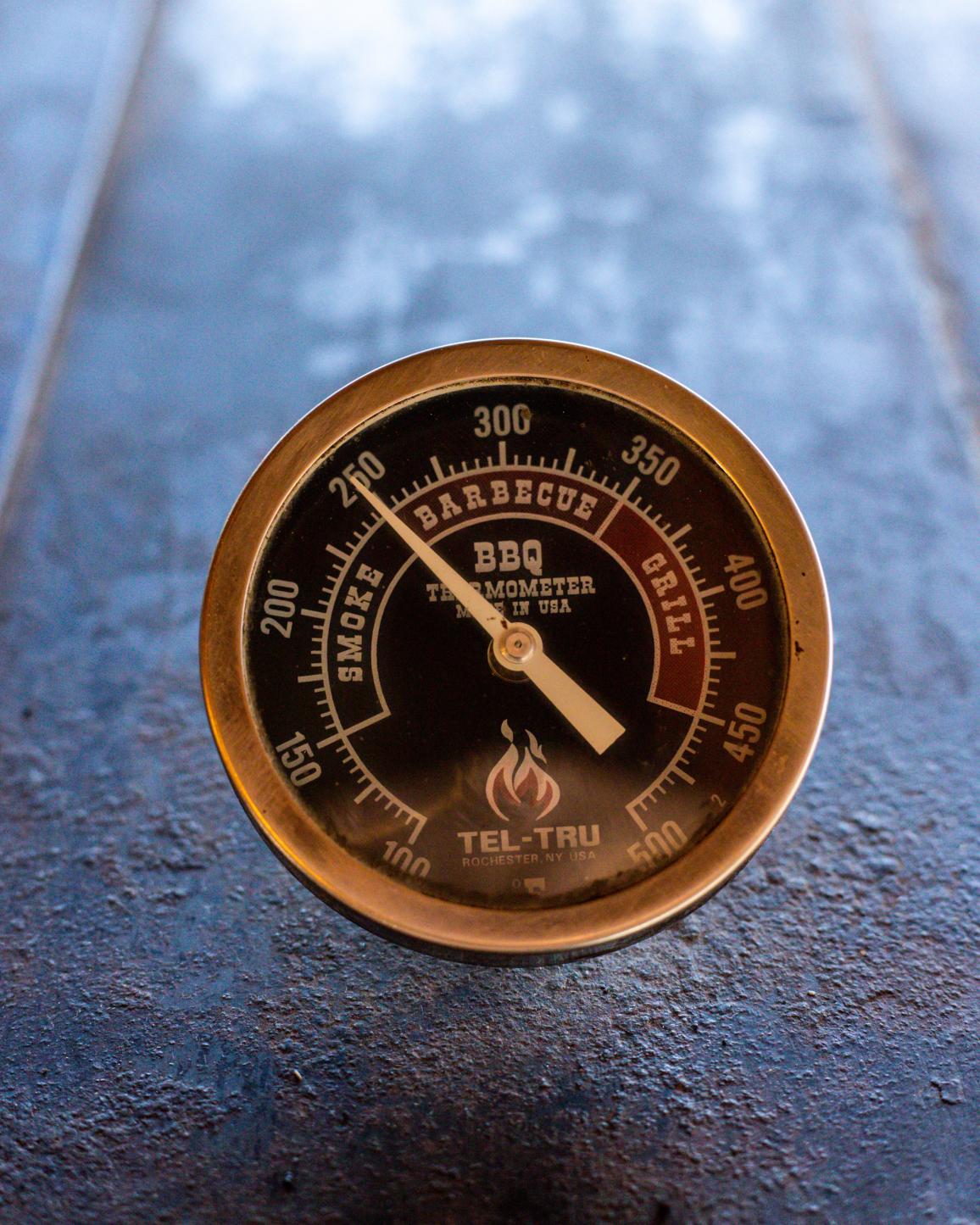
This day, we ran the smoker around 300-325 degrees with the airflow wide open and let it go. After about 15 minutes, it was pretty obvious what was happening.
The Danger Zone
The biscuits closest to the firebox were done. Not ‘done’ as in ready. Done as in hockey pucks.
That leading edge, right where the heat rolls past the baffle plate and rises, is the hottest part of the pit. It cooks first and aggressively. If you put the wrong cut of meat there and walk away, you’re asking for trouble.
In the end, the gradient of the biscuits told a great story about how the heat moves throughout. You can read gauges all day and watch the thermometers, but seeing the physical difference between these 200 biscuits really drives home the lesson. The pit tells you how it wants you to cook. Your job is to listen.