

Why Simple Seasoning Wins in Texas BBQ
It looks like the easy choice: just salt and pepper. It's actually the harder one. Here's what happens to a complicated rub over 14 hours in a smoker, and why simple seasoning ends up winning every time.
Find a Black's BBQ Near You
.svg)

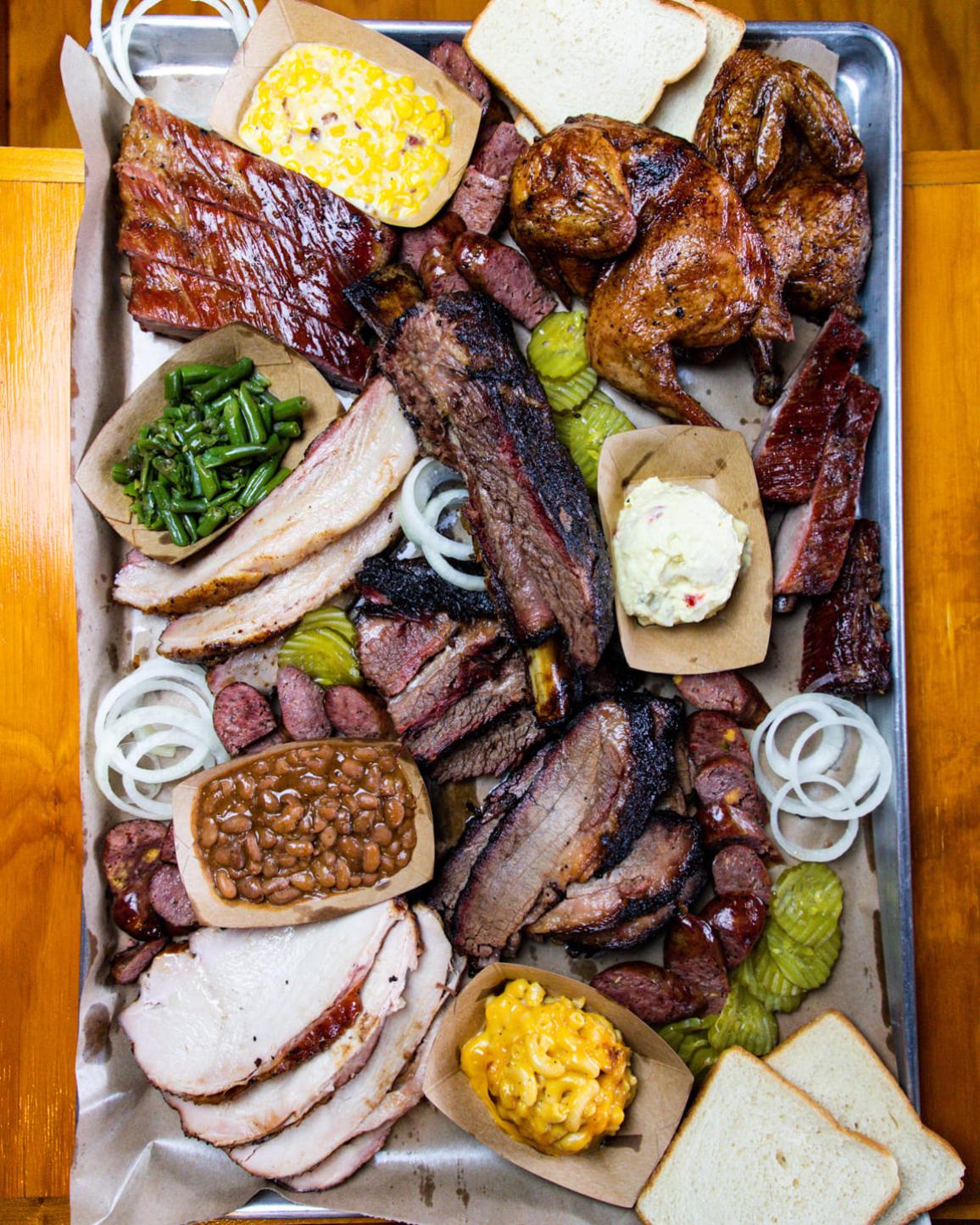
People are sometimes surprised when they ask what's in our brisket rub, and the answer is just salt and coarse black pepper. We don’t have a top secret blend of spices, or a dozen-ingredient mix, and there’s nothing hiding in a spice cabinet. It’s simple for a reason. The real question isn't what tastes best going into the pit. It's what's still doing its job a dozen or more hours later.
What Actually Holds Up Over That Many Hours
Our briskets cook low and slow, usually 14 to 16 hours. That kind of time changes things. Salt and coarse pepper hold their structure through all the long hours of a cook. The salt pulls moisture to the surface early and helps that dark, flavorful bark start building. The pepper stays put through the smoke and heat, giving the crust its texture.
A Long Cook Changes Things
A rub built for a 45-minute grill session falls apart completely on a smoker that runs all night. Take sugar-based rubs. Those are great on a quick grilled chicken breast, but they're prone to scorching into something bitter over a cook that runs this long, well before the brisket itself is done.
Garlic and onion powder add great flavor, but they can burn acrid over that many hours instead of mellowing into anything pleasant. Delicate dried herbs just disappear, either cooking off entirely or turning to ash on the surface. Every extra ingredient you add is one more thing that has to survive 14 hours of heat and smoke without turning on you, and most of them can't.
That's really the heart of why simple wins here. It's not that more flavor is a bad goal. It's that a long cook is an unforgiving environment, and salt and pepper are two of the only things that come out the other side doing exactly what they were supposed to do the whole way through.
Even the grind size matters more than people expect. Fine table salt dissolves into the surface moisture too quickly and washes away instead of helping build a crust, and finely ground pepper dumps most of its flavor in one fast burst instead of holding up over the whole cook.
Coarse salt and coarse pepper sit on the surface, cling to the meat, and let go of their flavor slowly, which is really the whole point of choosing them in the first place.
Simple Seasoning Raises the Stakes Everywhere Else
When you strip a rub down to two ingredients, you've also removed every place to hide a mistake. A heavily spiced rub can cover for a cut that wasn't trimmed quite right or a fire that ran a little too hot for a stretch. Salt and pepper cover for nothing. If the brisket isn't good, you'll know in the first bite.
That's exactly why the rest of what happens before the seasoning even goes on matters so much. It's why we're particular about trimming the fat cap evenly, why our pitmasters manage the fire instead of a set-it-and-forget-it dial, and why we've stuck with Certified Angus Beef instead of cutting corners on the raw product.
If you're trying this at home, that's the real lesson to take with you. A basic salt and pepper rub will expose a good brisket for how good it is, but it'll expose a mediocre one just as fast. Get the trim right, keep the fire steady, and give it the time it needs. Two ingredients will do more than a full spice rack ever could.
Other Regions Have Their Own Good Reasons
None of this means other barbecue traditions are doing it wrong. Ribs cook in a fraction of the time a brisket does, so a rub with more going on has a real shot at surviving the cook. Sauce-forward styles are often finished quickly enough that a bolder rub underneath still comes through. Central Texas just happens to be built around long cooks and big cuts of beef, and salt and pepper are what actually make sense for that specific job. Different regions solved a different problem, and they solved it well.
Come Taste What Two Ingredients Can Do
The easiest way to understand any of this is to taste it. Come try a brisket that's had nothing on it but salt, pepper, smoke, and time, and see what it tastes like. Visit us in Lockhart, where we've been doing it this way since 1932, or at any of our locations across Central Texas.