

Butcher Paper vs. Foil for BBQ
Foil holds in heat and moisture. Butcher paper gives the bark more room to breathe. Here’s what changes when you wrap your BBQ—and when to leave it alone.
Come Taste The Difference At Black's BBQ
.svg)

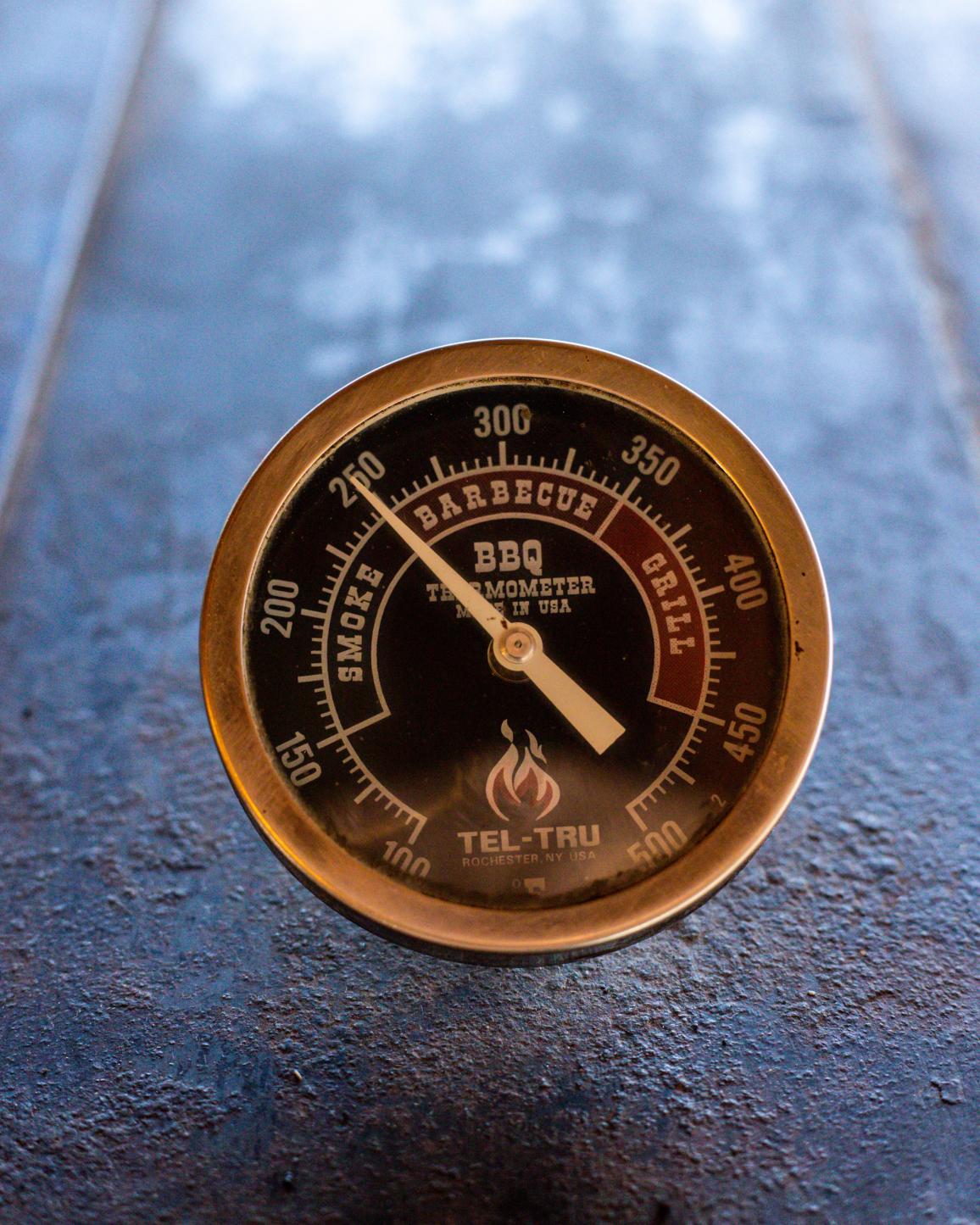
Has your thermometer been stuck at the same number long enough to make you question the whole cook? Before you start messing with the fire, decide whether the brisket needs foil, butcher paper, or a little more time left alone.
Short on time? Foil can help. Want to hang on to more of that bark? Reach for the paper. If the outside isn’t where you want it yet, leave the brisket alone a little longer.
What Does Foil Do to BBQ?
Foil holds heat and moisture close to the meat. That can help a brisket move through the stall, but the trapped steam also softens the bark.
Leave the meat wrapped long enough, and the outside will lose some of its bite. The inside may also become softer than it would with paper or no wrap. That can be useful for some cuts, but it may not be what you want from a brisket with a good crust already built.
What If the Brisket Is Running Behind?
Foil is the faster option when the brisket has been sitting in the stall and supper isn’t getting any later. Pitmasters often call this the Texas Crutch.
The tradeoff shows up on the outside. Steam collects inside the foil and can soften the bark you spent the first part of the cook building. The later you wrap, the more time that bark has to set before it gets covered.
Why Use Butcher Paper?
Butcher paper doesn’t trap steam as tightly as foil. It still shields the meat and limits some evaporation, but the bark has a better chance of keeping its texture.
Paper won’t push the cook along as aggressively as foil. That’s the trade: a little more time in exchange for a better crust.
Want to know what gives brisket its dark outside in the first place? Read more in The Art of Bark.
Does the Cut Change the Decision?
Brisket gets most of the attention in the paper-versus-foil conversation, but it isn’t the only meat that may be wrapped.
At Black’s, our giant beef ribs cook unwrapped. A home cook may still use paper or foil to control moisture or smoke exposure, depending on the result they want.
Turkey breast is handled differently. We take it off the pit at about 160 degrees, wrap it in foil, and let the carryover heat finish the job. The foil holds in the juices while the turkey coasts to its final temperature. Our smoked turkey breast guide walks through the full process.
Butcher Paper vs. Foil at a Glance
- Use foil when: Time is getting tight or you want to hold in as much heat and moisture as possible.
- Use butcher paper when: The bark matters more than finishing as quickly as possible.
- Leave it unwrapped when: The meat is cooking well and the outside still needs more smoke and time to set.
- Remember: Wrapping is an option, not a required step for every cut or every cook.
So, Paper or Foil?
Take a look at what’s happening on the pit.
Bark looking good, but the brisket is running late? Foil may be the move. Want some protection without steaming that crust? Grab the butcher paper. Everything moving along just fine? Leave it alone.
Wrapping can help, but it can’t fix an underseasoned brisket, a dirty fire, or a cook that has been running too hot. It’s one decision in a much longer cook.
Come Taste the Difference at Black's BBQ
Want the BBQ without the wrapping debate? Come see us at Black’s BBQ in Lockhart, Austin, New Braunfels, or San Marcos.